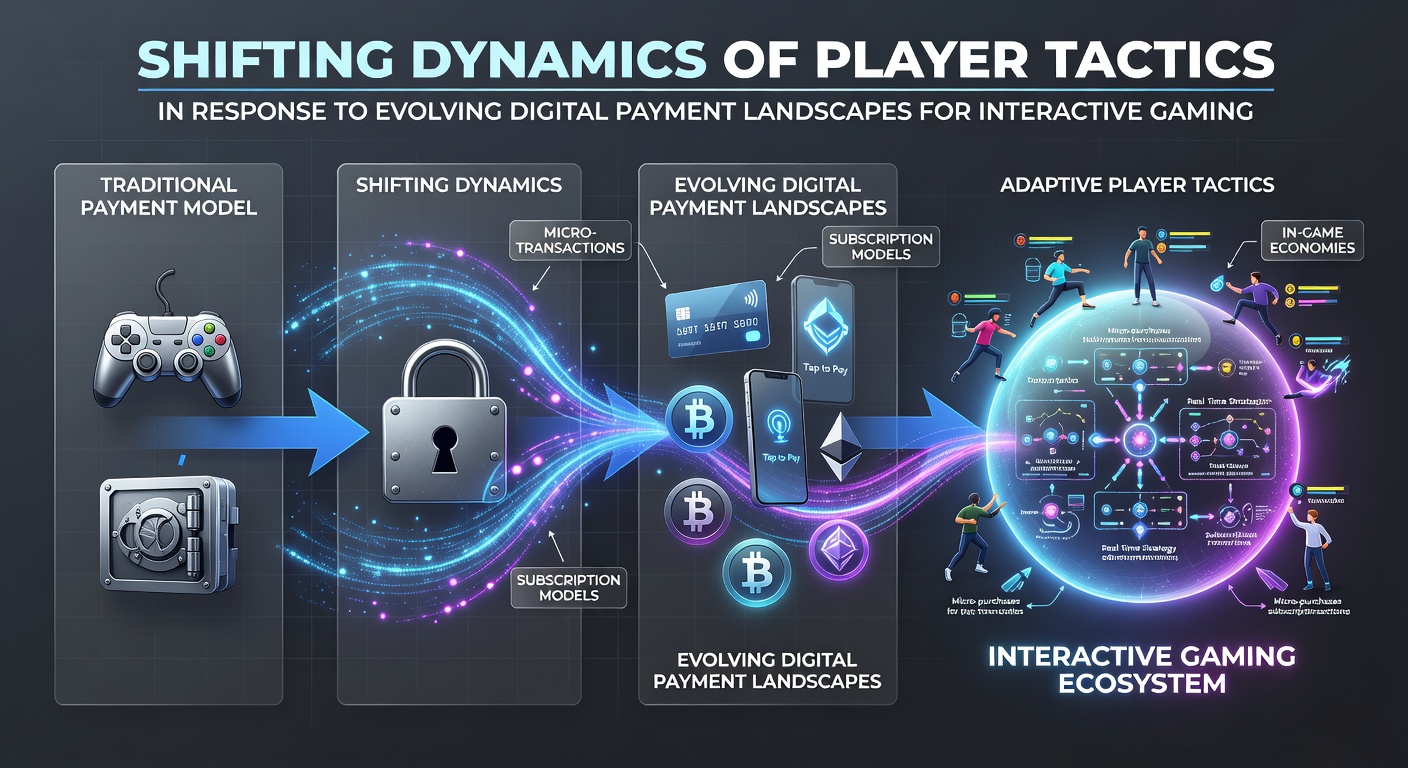
Shifting Dynamics of Player Tactics in Response to Evolving Digital Payment Landscapes for Interactive Gaming
Digital payment systems have transformed how participants engage with interactive gaming platforms, prompting measurable shifts in the methods players use to manage deposits, withdrawals, and overall bankroll allocation. As transaction speeds increase and new options such as real-time bank transfers gain traction, observers note that users adjust their timing and platform selection to maximize efficiency while staying within established regulatory frameworks.
Expansion of Instant Payment Options and Resulting Adaptations
Real-time payment rails introduced across multiple jurisdictions have altered deposit patterns, with data from May 2026 showing higher volumes of smaller, more frequent transactions compared to earlier periods dominated by batch processing. Players now coordinate session lengths with settlement windows offered by various processors, allowing them to replenish balances mid-session without extended interruptions. Researchers tracking these behaviors have documented increased use of multi-wallet setups where funds move between primary accounts and temporary holding ledgers to maintain liquidity across different game types.
Industry reports indicate that platforms supporting instant verification see elevated engagement rates during peak evening hours, as users leverage the reduced friction to switch between titles more fluidly. Those who monitor transaction logs point out that withdrawal requests cluster around specific calendar milestones, such as the end of promotional periods, suggesting players time cash-outs to align with bonus fulfillment requirements rather than reacting spontaneously to wins.
Integration of Cryptocurrency and Its Influence on Session Planning
Cryptocurrency adoption in interactive gaming has introduced volatility considerations that did not exist with traditional card or wire methods. Participants factor exchange rate fluctuations into their deposit schedules, often initiating transfers during periods of relative stability to preserve intended wager amounts. Studies compiled by academic groups at institutions focused on digital finance reveal that users who incorporate digital assets tend to maintain separate tracking spreadsheets for fiat and crypto portions of their bankrolls, creating layered strategies that separate high-volatility holdings from stable reserves.
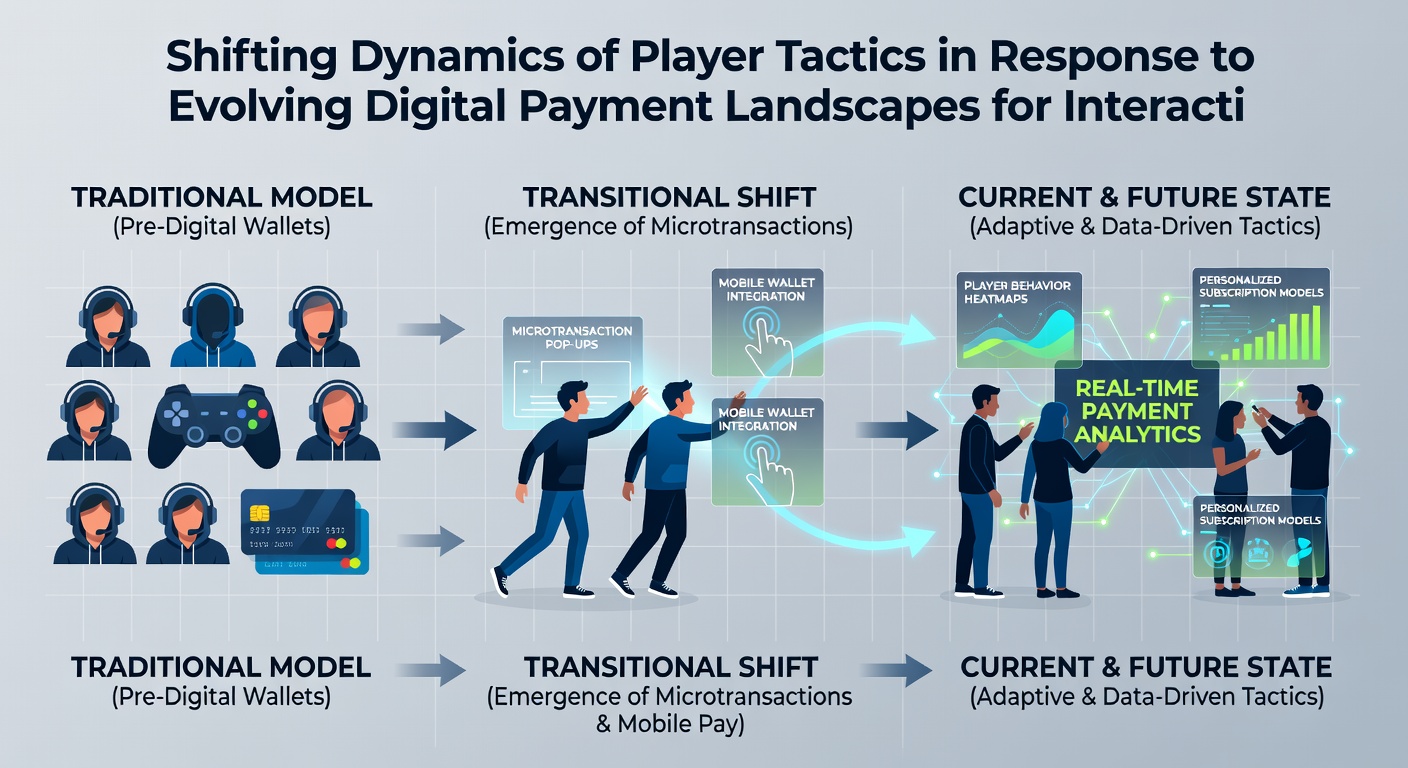
Regulatory updates in several North American and Asian markets during early 2026 further encouraged this compartmentalization, as clearer guidelines on crypto custody reduced hesitation among previously cautious participants. Observers have recorded a rise in players who convert winnings back to fiat immediately upon reaching predefined thresholds, a tactic designed to lock in gains before market swings occur. This approach contrasts with earlier patterns where holders retained crypto balances for extended periods in anticipation of appreciation.
Regional Regulatory Shifts and Cross-Border Payment Choices
Differences in licensing requirements between regions have led players to compare processing times and fee structures more systematically before committing funds. A report released by the European Gaming and Betting Association highlights how operators in the European Economic Area have streamlined compliance checks for intra-regional transfers, prompting some users to route activity through multiple licensed sites to take advantage of faster settlement cycles. Meanwhile, data compiled by the Nevada Gaming Control Board shows that domestic operators in the United States continue to emphasize established banking partners, resulting in players developing hybrid routines that combine local accounts for routine play with offshore options for larger or less frequent movements.
These regional distinctions encourage comparative analysis among participants, who often maintain records of average processing durations across providers. Such documentation helps them decide which platform to use for specific game categories based on how quickly funds become available for continued wagering or withdrawal.
Emerging Tools for Tracking and Optimization
Third-party analytics applications have gained popularity as players seek to quantify the impact of payment timing on overall returns. These tools aggregate transaction histories and highlight correlations between deposit methods and session outcomes, enabling users to refine their approaches based on empirical patterns rather than anecdotal experience. Industry analysts note that adoption of such software coincides with the rollout of open banking standards in additional countries, which in turn provides more granular data for these optimization efforts.
Security considerations also factor into evolving tactics, with many participants now rotating between multiple authentication layers depending on transaction size. Larger transfers frequently route through hardware-based verification steps, while smaller deposits utilize biometric options available on mobile devices. This segmentation reduces exposure windows and aligns with risk thresholds established by individual users.
Conclusion
Payment landscape changes continue to reshape how interactive gaming participants structure their activity, from deposit frequency and wallet segmentation to withdrawal timing and cross-platform coordination. Figures compiled through May 2026 demonstrate sustained growth in the use of instant and cryptocurrency channels, accompanied by corresponding adjustments in player routines that prioritize speed, cost control, and regulatory compliance. As new processing technologies emerge and regional rules evolve, these adaptive patterns are expected to persist, supported by ongoing data collection from both operators and independent research entities.