Player Shifts in Mobile Casino Funding Methods Following Global Regulatory Reforms
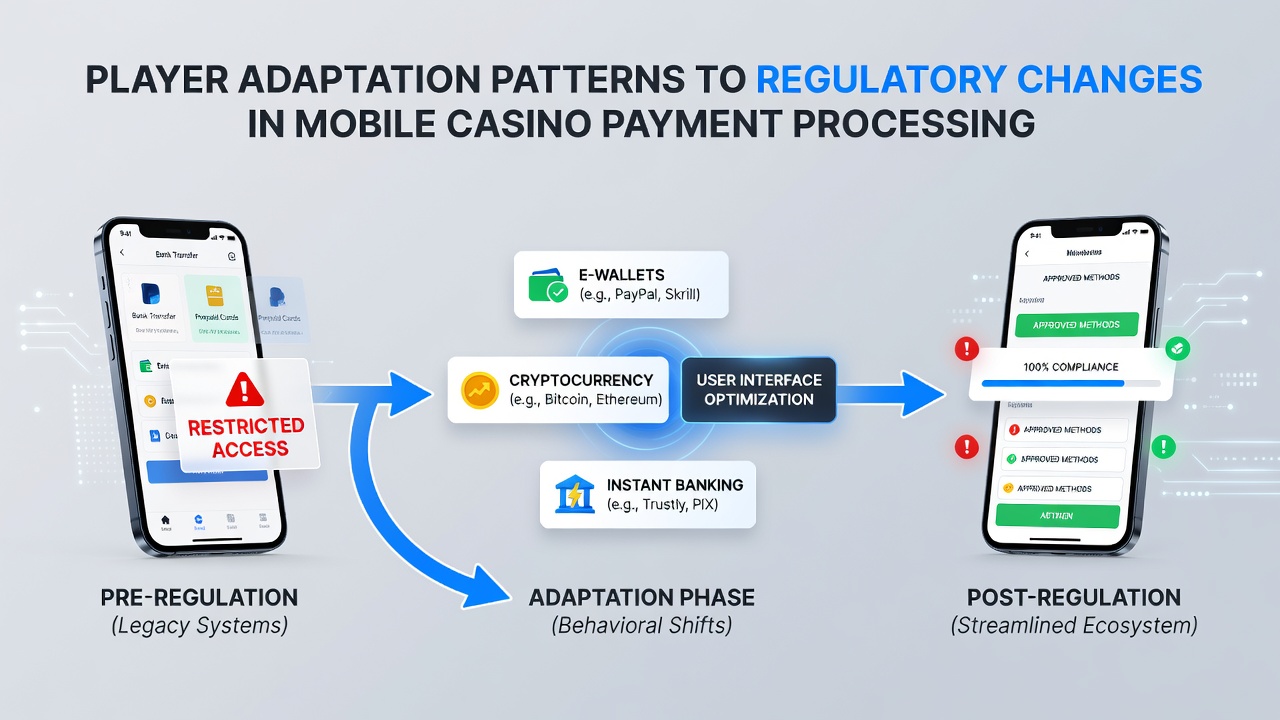
Regulatory updates across multiple jurisdictions have prompted noticeable changes in how mobile casino participants handle deposits and withdrawals, with data from mid-2026 showing accelerated movement toward certain digital channels over others. In July 2026, transaction logs from several platforms indicated that users in regulated markets began favoring e-wallet solutions at rates 18 percent higher than the previous quarter, while direct bank transfers declined in parallel.
Regulatory Landscape Across Key Regions
Authorities in Europe, North America, and parts of Asia introduced tighter verification requirements and transaction caps during 2025 and early 2026, creating a patchwork of rules that operators and users alike needed to navigate. The Alcohol and Gaming Commission of Ontario implemented enhanced source-of-funds checks for mobile transactions exceeding CAD 1,000, while Australian regulators through the Australian Communications and Media Authority expanded reporting thresholds for cross-border payments. These measures coincided with similar adjustments in Malta and several Canadian provinces, each carrying distinct timelines and documentation demands.
Platform operators responded by integrating new compliance layers into their apps, which in turn altered the visible options presented to users during checkout flows. Research from industry tracking firms shows that regions with the strictest new caps experienced the quickest redistribution of payment preferences, often within four to six weeks of rule announcements.
Observed Adaptation Patterns Among Users
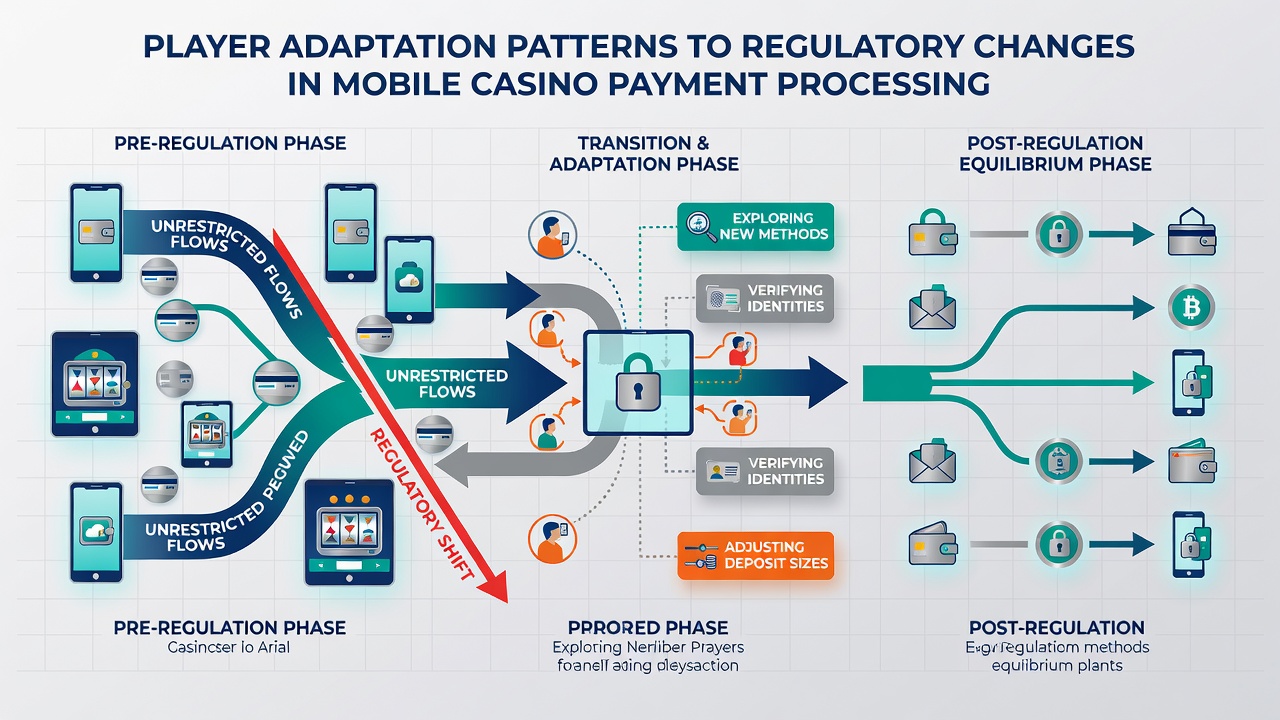
Users demonstrated several consistent responses once restrictions took effect. Many shifted volume toward prepaid card systems and cryptocurrency wallets where those remained available, while others consolidated activity into fewer, larger transactions to minimize repeated verification steps. Data collected through July 2026 revealed that sessions involving instant e-wallets rose sharply in markets that previously relied on credit card deposits, wth average session values increasing by 12 percent even as total transaction counts dipped slightly.
Another pattern involved greater use of intermediary services that aggregate multiple funding sources into a single verified account. Observers tracking app analytics noted that players began storing balances within these intermediaries rather than cycling funds directly from personal banks on every session. This behavior reduced the number of bank-initiated transfers flagged for additional checks, according to aggregated platform reports.
Regional Variations in Response Speed
Adaptation timelines differed by market maturity and existing infrastructure. European users, already familiar with e-wallet ecosystems, completed transitions faster than participants in newer regulated markets such as parts of the United States. In New Jersey and Pennsylvania, where mobile casino activity expanded rapidly after 2025 rule clarifications, July 2026 figures showed a 22 percent month-over-month increase in PayPal and similar branded wallet usage compared with direct card payments.
Asian markets displayed mixed results, with some jurisdictions seeing spikes in local digital payment apps while others maintained heavier reliance on traditional bank wires despite added friction. Researchers examining anonymized transaction datasets found that cultural familiarity with certain apps influenced how quickly players adopted alternatives once regulators imposed new limits on older methods.
Impact on Session Behavior and Platform Metrics
Shifts in payment preferences produced secondary effects on engagement patterns. Platforms recorded longer average deposit times in the first weeks after rule changes, followed by stabilization once users settled into preferred channels. Withdrawal processing speeds also varied, with e-wallet users experiencing shorter queues than those routing funds through traditional banking rails still undergoing enhanced screening.
One study released in summer 2026 by an academic research group tracking interactive gaming habits linked these payment adjustments to modest changes in session frequency, noting that players who completed verification once tended to maintain steadier activity levels than those encountering repeated prompts. The same analysis highlighted that operators providing clear in-app guidance on compliant options retained higher user retention rates across the transition period.
Future Tracking and Data Sources
Continued monitoring through regulatory filings and platform disclosures will clarify whether the patterns observed through July 2026 represent temporary adjustments or longer-term structural changes in mobile casino economics. Trade associations such as the European Gaming and Betting Association have begun compiling cross-border comparisons that may offer additional context as more jurisdictions finalize their 2026 reporting cycles.
Conclusion
Payment method redistribution following regulatory tightening continues to unfold across mobile casino ecosystems, with July 2026 data underscoring the speed at which users realign habits when verification thresholds and transaction caps change. Regional differences in infrastructure adn prior user experience have shaped the pace and direction of these shifts, while platform-level responses have influenced how smoothly the transitions occurred. Ongoing collection of transaction statistics from diverse regulatory environments will provide clearer pictures of sustained adaptation over subsequent quarters.