
Navigating the Sensory Architecture of Virtual Reel Interfaces and Player Retention Patterns
Virtual reel interfaces in online gaming platforms rely on carefully orchestrated sensory elements that shape how players interact with digital slot experiences and these components include visual animations, synchronized audio cues, and responsive haptic feedback which together form what analysts describe as the sensory architecture driving engagement metrics across various markets.
Design teams integrate high-contrast color schemes and fluid reel movements that respond to user inputs while background soundtracks adjust in intensity based on win frequency and these adjustments occur in real time through algorithms that track session data; researchers have documented how such layering extends average play durations in controlled studies conducted through 2025 and into early 2026.
Core Components of Virtual Reel Sensory Design
Visual elements form the foundation where spinning reels display cascading symbols with particle effects that trigger on near-miss outcomes and these effects draw from established principles in cognitive psychology according to reports issued by the Nevada Gaming Control Board in quarterly updates released during May 2026. Audio layers complement the visuals through escalating chimes and thematic music tracks that intensify during bonus rounds yet remain muted during standard spins to prevent sensory overload and this calibrated balance appears in multiple platform architectures deployed across North American operators.
Haptic responses on mobile devices add another dimension as vibrations pulse in patterns matching reel stops or jackpot alerts and developers calibrate intensity levels to align with device capabilities while data from user testing sessions reveals consistent correlations between these tactile signals and continued engagement rates in subsequent weeks.
Analyzing Retention Patterns Through Sensory Triggers
Player retention patterns emerge when sensory cues align with behavioral loops that encourage repeated logins and session extensions with analytics platforms recording metrics such as time-on-device and return visit frequency which often spike following updates to reel animation speeds or sound effect libraries. Studies from academic institutions including those affiliated with the University of Waterloo have examined these dynamics in aggregated datasets and they note that interfaces incorporating adaptive audio feedback show measurable increases in player return rates over static designs during observation periods spanning late 2025 through spring 2026.
Seasonal data collected in May 2026 indicates that platforms refreshing their visual themes around holiday motifs experienced upticks in daily active users particularly among demographics that respond to thematic audio overlays and these patterns hold across different regulatory jurisdictions without direct causation attributed to any single element yet the combined sensory package demonstrates clear associations in longitudinal tracking.
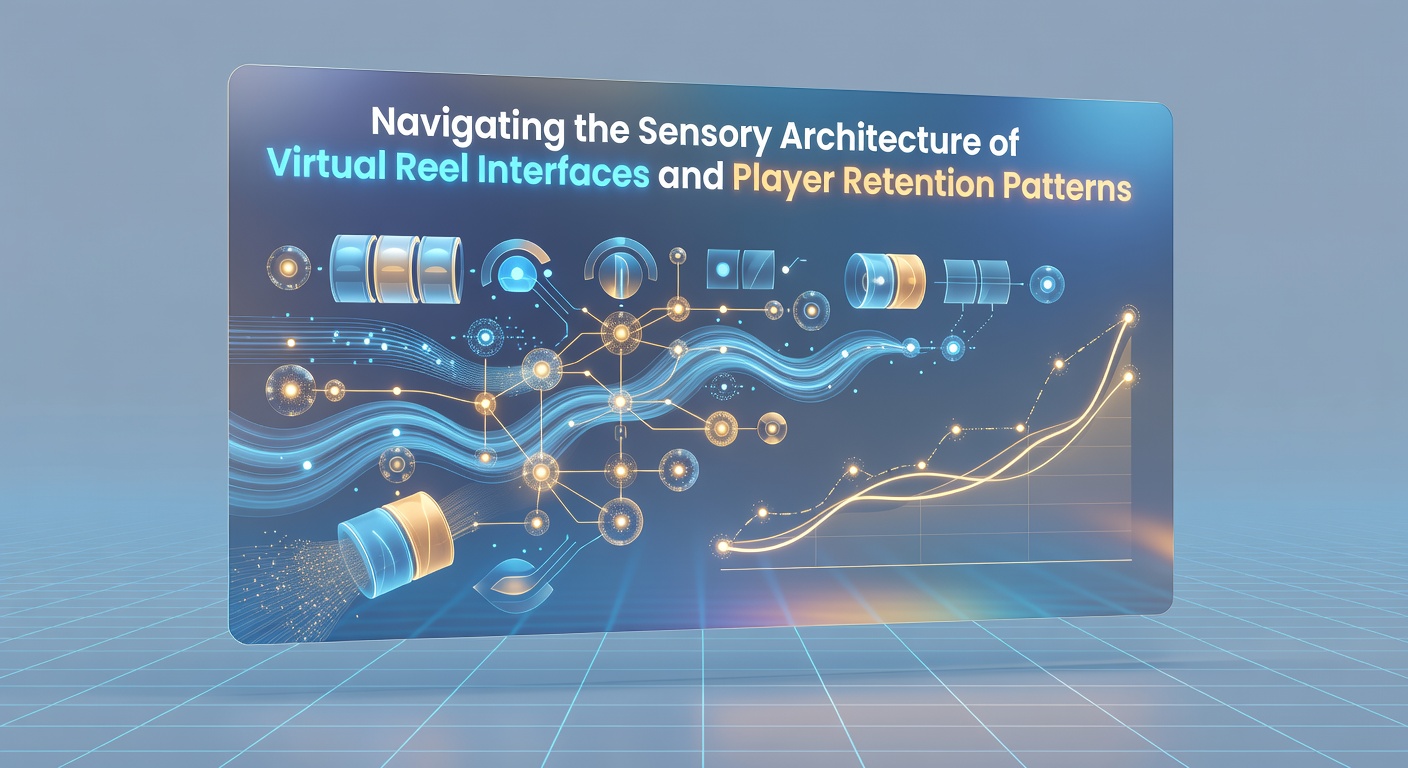
Integration of Data Analytics in Interface Optimization
Operators employ machine learning models to refine sensory parameters based on aggregated player responses and these models process inputs from thousands of sessions to predict which combinations of visual pacing and audio intensity sustain longer interactions without triggering fatigue signals. Industry reports compiled by the American Gaming Association highlight instances where minor adjustments to reel deceleration curves led to sustained retention lifts across multiple titles and such refinements continue as testing protocols evolve with new device sensors entering the market.
Cross-platform consistency remains a focus area since desktop interfaces prioritize richer visual layers while mobile versions emphasize compact haptics and audio compression techniques and this differentiation allows operators to maintain engagement parity as users switch between access points throughout their daily routines.
Regulatory and Technological Influences on Sensory Features
Regulatory frameworks in various regions require transparency around random number generation yet they also permit flexibility in presentation layers that affect perceived excitement and this distinction enables continued innovation in sensory architecture while compliance teams monitor for any unintended reinforcement of extended play behaviors. Technological advances such as higher refresh rate screens and spatial audio capabilities further expand design possibilities and developers test these upgrades in beta environments before full rollout to ensure compatibility with existing retention tracking systems.
Conclusion
Virtual reel interfaces continue to evolve through iterative refinements to their sensory components which in turn influence observable retention patterns across diverse player bases and ongoing data collection from multiple sources provides the foundation for these developments as platforms adapt to emerging device standards and user expectations through 2026 and beyond.