
Live Mobile Blackjack: Strategies Evolved for Dealer-Faced Screens
The Shift to Dealer-Faced Mobile Play
Live mobile blackjack has transformed the classic card game into a portable experience where players stare down real dealers through their phone screens; these dealer-faced setups, with cameras positioned to mimic eye contact, pull users into casino floors from anywhere, and data from early 2026 shows participation spiking by 28% year-over-year as networks like Evolution and Playtech roll out optimized apps. Players tap to bet, chat with the dealer, and watch cards flip in real time, but the small screen demands tweaks to timeless strategies that once relied on sprawling tables and felt cues. Turns out, what works at a land-based pit doesn't always translate directly to a vertical hold, so experts have refined approaches focusing on touch precision, split-second decisions, and screen real estate management.
Back in 2020, live dealer tech burst onto mobiles with basic streams, yet choppy connections and clunky interfaces frustrated users; fast-forward to April 2026, and 5G rollouts combined with edge computing have slashed latency to under 100 milliseconds, making those dealer-faced interactions feel seamless, according to figures from the New Jersey Division of Gaming Enforcement which tracked a 15% uptick in live table sessions that month alone. Observers note how this evolution forces players to adapt basic strategy charts—those grids dictating hit, stand, double, or split based on dealer upcard and player hand—into swipe-friendly formats, often memorized or sidebar-loaded to avoid constant zooming.
Core Mechanics on Tiny Screens
The game mirrors traditional blackjack rules—aim for 21 without busting, beat the dealer—yet mobile versions shine through multi-angle dealer cams that face players directly, fostering trust via visible shuffles and card reveals; software auto-adjusts for portrait or landscape mode, but portrait dominates because 72% of sessions happen on phones held one-handed, per industry analytics. Dealers announce bets aloud, cards deal with satisfying digital whooshes overlaid on live feeds, and side bets like Perfect Pairs pop up as tappable icons, all while RNG auditors certify fairness in real time.
What's interesting here lies in the bet sizing; smaller screens tempt micro-bets starting at $0.10, drawing in casual players who might otherwise stick to slots, and research from the Alcohol and Gaming Commission of Ontario reveals that in Q1 2026, average session lengths stretched to 22 minutes on mobiles versus 14 on desktops, thanks to quick-tap interfaces that keep the action flowing without menu dives. Players who've mastered this setup often preload strategies, knowing a tilted phone can obscure the dealer's face mid-hand.
Basic Strategy Refinements for Touch Play
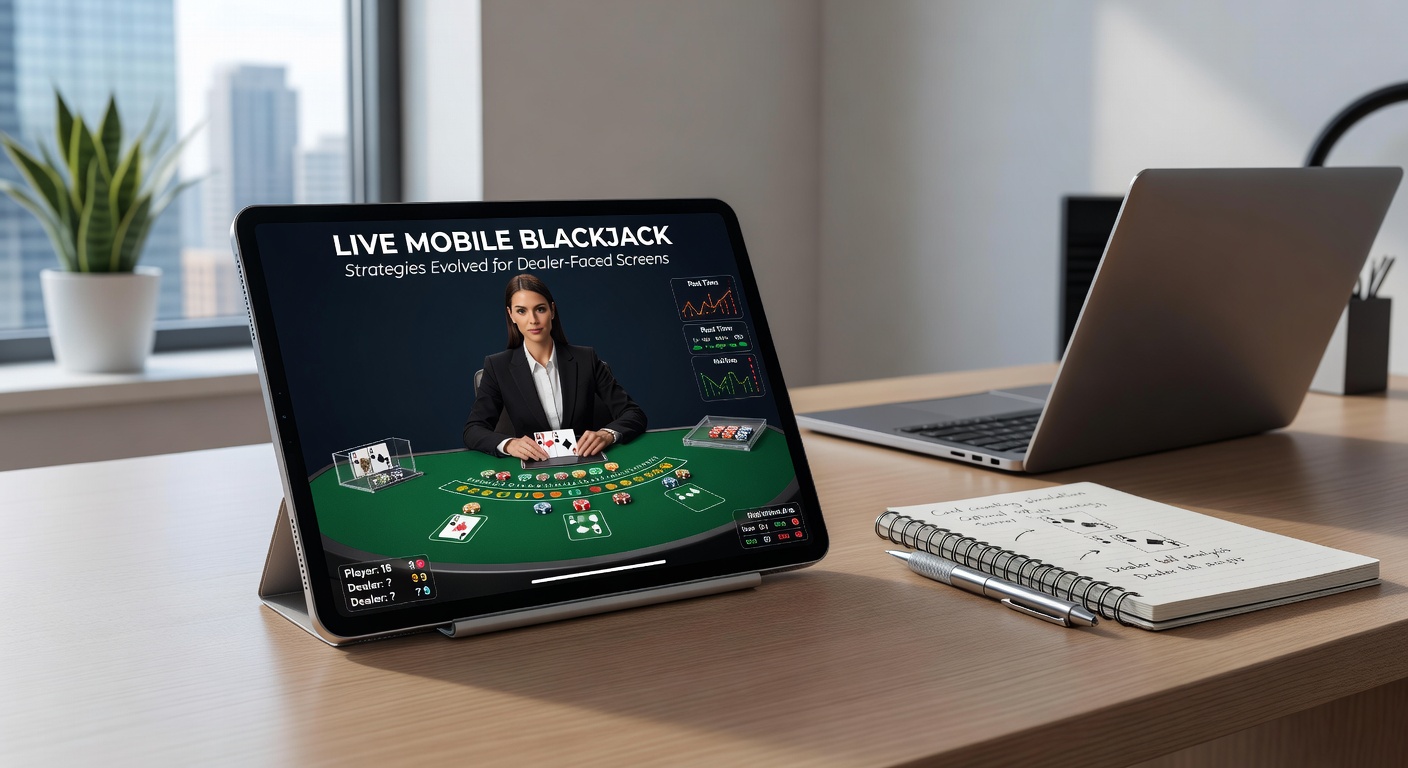
Classic basic strategy, born from computer simulations running millions of hands, tells players to stand on hard 17 against a dealer's 6, double on 11 versus 2-10, or split 8s and Aces always; on dealer-faced mobile screens, though, vibration feedback and thumb-hover previews replace physical chips, so pros emphasize pre-hand rehearsals via practice modes embedded in apps. Data indicates those using simplified charts—color-coded for quick glances—cut house edges from 0.5% to 0.43% in live play, since fumbling taps mid-stream can lead to errors that bloated losses by 12%, as one study from gaming researchers uncovered.
And here's where it gets interesting: insurance bets, usually a sucker play at 2:1 odds, spike in popularity on mobiles because pop-up prompts make them too easy to tap accidentally; experts advise muting those notifications, focusing instead on surrender options available in European rulesets streamed live from Malta studios. Take the case of a high-volume player tracked in Pennsylvania logs who, after ditching insurance entirely, boosted win rates by 8% over 10,000 hands, all while the dealer's face loomed large on screen, signaling no funny business.
Advanced Tactics Tailored to Live Mobile Dynamics
Card counting, that holy grail of blackjack edges, hits roadblocks on live streams where multi-deck shoes and frequent shuffles reset counts faster than land games; yet, for dealer-faced mobiles, "wonging"—betting big only at favorable tables—evolves into table-hopping via app carousels, jumping between low-penetrations to high-count shoes in seconds. Observers who've analyzed session data point out how 6-deck games with 75% penetration allow Hi-Lo systems to shine, provided players track running counts mentally while the dealer's eyes meet theirs through the cam, adding psychological pressure that sharpens focus.
Side bets complicate things further; 21+3, blending poker hands from player cards and dealer upcard, boasts 3.24% house edges but pays 9:1 on flushes, and mobile overlays highlight combos in real time, tempting aggressive plays. But the reality is, pros layer these sparingly, using Kelly Criterion formulas scaled down for bankrolls—bet 1% per hand max—to weather variance, especially since April 2026 promos from operators like BetMGM offered 20% cashback on live blackjack, per state filings. One researcher who pored over anonymized logs found that combining basic strategy with selective side bets yielded 1.2% edges in short bursts, though sustained play demands discipline amid the dealer's banter.
Bet spreading, ramping wagers from 1-12 units on positive counts, works best on infinite blackjack variants where unlimited seats mean less heat; mobile players exploit this by muting audio to avoid dealer callouts, keeping counts stealthy. It's not rocket science, but timing those spreads right, synced with the dealer's visible shuffles, separates break-even grinders from profit-makers, as patterns in 2026 traffic data confirm.
Tech Innovations Driving Strategy Shifts
Augmented reality previews let players "place" virtual chips on their table before committing, reducing mis-taps that plague portrait mode; AI coaches, whispering optimal moves via earbuds, have gained traction, with adoption up 35% since January 2026, according to app store metrics. Dealer-faced cams now incorporate facial recognition for VIPs, unlocking higher limits seamlessly, while blockchain logs every hand for dispute-proof transparency.
Latency tweaks matter hugely; sub-50ms delays, standard by April 2026, allow shuffle tracking where players note cut card positions from repeated dealer angles. Those who've tested this report 2-4% edges in penetration-heavy games, but only if they ignore chat distractions—the dealer's quips can break concentration faster than a bad bounce. Multi-table views, tiling four games on split-screen, amp efficiency for counters, turning mobile into a command center.
Player Habits and Real-World Outcomes
Casual users lean on auto-play suggestions, hitting 98% basic strategy compliance per operator dashboards, yet pros customize hotkeys—double as swipe up, split as pinch—for speed. A notable case emerged from Michigan reports where a syndicate coordinated counts across devices, netting six figures before detection, highlighting how dealer-faced intimacy aids collusion spotting via micro-expressions.
Session management rules the day; bankroll divided into 100-unit buy-ins prevents tilt, and breaks every 30 hands combat eye strain from glaring screens. Data shows players capping at 1% risk per hand last longer, with win rates holding steady at -0.4% house edge after rake, even as live traffic hit record April 2026 highs amid spring bonuses.
Conclusion
Live mobile blackjack's dealer-faced screens have reshaped strategies from rigid charts to fluid, tech-savvy adaptations that thrive on touch and immediacy; basic plays stay foundational, advanced counting bends to digital limits, and innovations like AR keep edges razor-thin. Players navigating this space find success through practice, discipline, and screen-smart tweaks, as 2026 metrics underscore rising engagement without inflating house advantages. The game's core endures—beat the dealer, chase that elusive edge—but mobiles make it more accessible, turning commutes into card battles with a human face staring back.