Exploring Loyalty Program Structures and Their Role in Shaping Game Preferences Among Regular Mobile Casino Participants
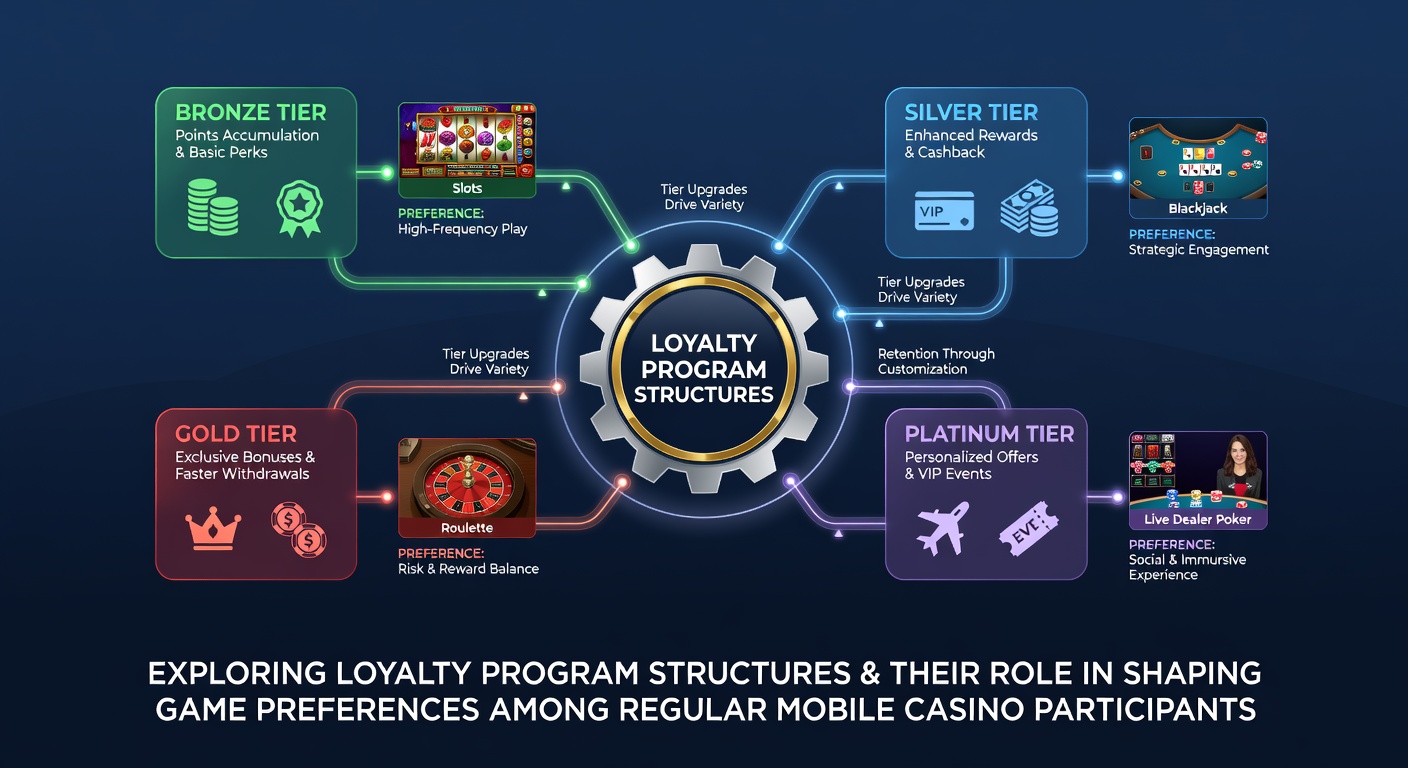
Regular mobile casino participants encounter loyalty programs structured around tiered membership levels, point accumulation systems, and targeted rewards that directly influence which games they select during sessions, and data from industry reports shows these frameworks have expanded significantly by June 2026 as operators refine engagement tactics across digital platforms. Participants accumulate points through gameplay volume, with higher tiers unlocking benefits such as cashback percentages, exclusive bonuses, and accelerated earning rates that steer activity toward specific titles like high-volatility slots or live dealer tables where multipliers apply more readily.
Core Components of Modern Loyalty Frameworks
Points-based systems form the foundation in most programs, where players earn credits proportional to wagers placed, yet multipliers often favor certain categories such as progressive slots over table games because operators adjust rates to balance house edges with player retention goals. Tier progression typically follows thresholds measured in monthly or quarterly activity, granting perks including priority support, personalized promotions, and entry into invitation-only events that encourage sustained participation in preferred game types. Research indicates that these layered incentives create feedback loops where participants shift preferences toward games offering faster point accrual, particularly when combined with seasonal campaigns active during periods like early summer 2026.
Influence on Game Selection Patterns
Observers note that players frequently gravitate toward slot machines when loyalty structures reward spin volume with bonus spins or level-up rewards, whereas table game enthusiasts respond more to programs emphasizing skill-based multipliers or cashback on blackjack and roulette wagers. Data shows this dynamic leads to measurable shifts, with mobile users in competitive markets allocating larger portions of playtime to titles aligned with current promotion structures rather than personal favorites alone. One study revealed that adjustments to point values for video poker variants prompted noticeable migration patterns among dedicated participants who tracked earnings closely through app dashboards.
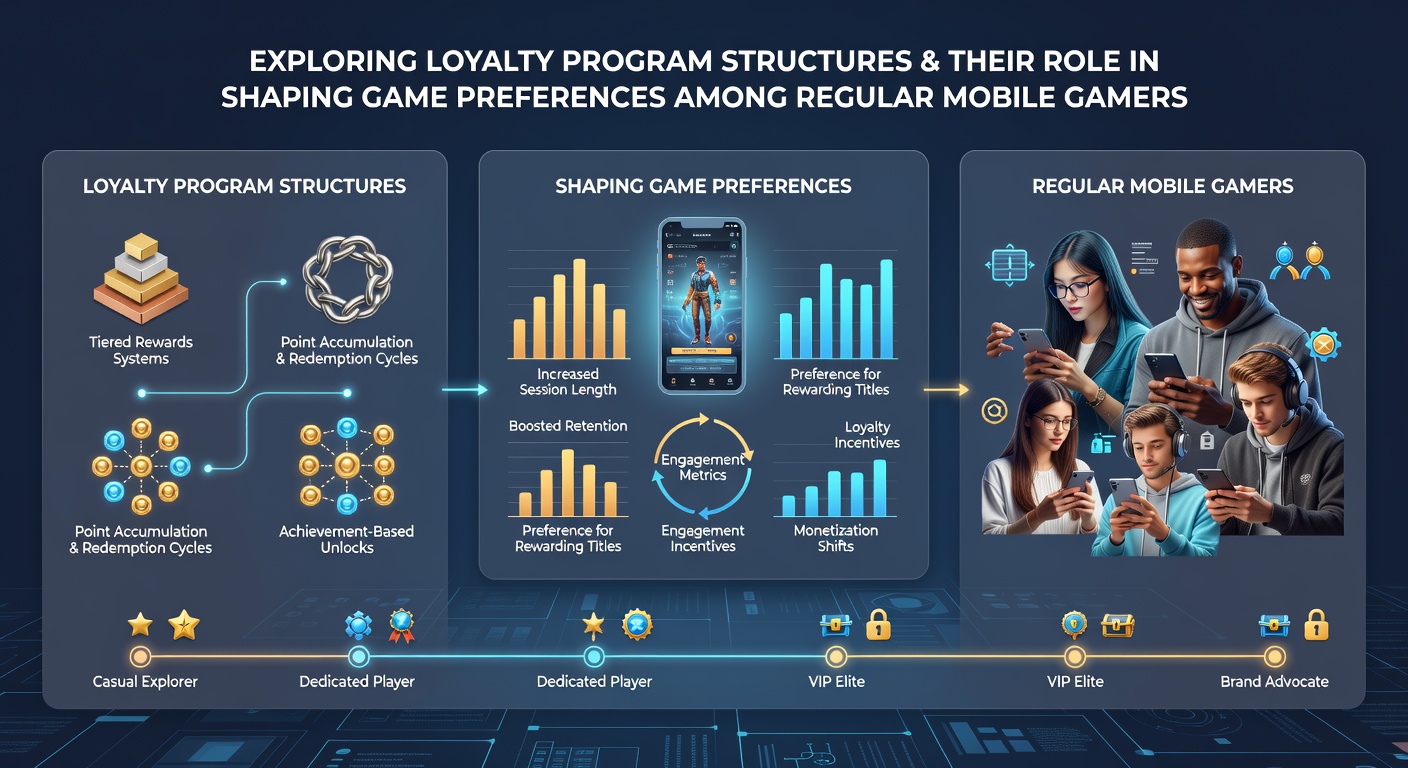
Regional variations emerge clearly when comparing markets, as North American operators tend to emphasize slot-heavy rewards while European and Asian platforms incorporate more diverse incentives across live casino options. Participants in these environments often discover through repeated use that loyalty status affects not only reward frequency but also access to limited-time game modes, creating additional motivation to align play habits with program rules.
Data Trends and Participant Behaviors
Figures from regulatory filings and operator disclosures indicate rising integration of loyalty mechanics with personalized recommendations, where algorithms suggest games based on past point-earning efficiency rather than random selection. This approach has coincided with growth in mobile participation rates through mid-2026, as users respond to tailored nudges that highlight opportunities for tier advancement. According to reports issued by the Nevada Gaming Control Board, loyalty-driven preferences account for consistent portions of overall handle in digital channels, particularly among repeat users who maintain active status across multiple titles.
Those who've examined user analytics further highlight how free-play credits distributed through loyalty programs tend to direct activity toward lower-stakes versions of popular slots, extending session lengths while building toward higher-tier thresholds. Industry associations such as the American Gaming Association have documented similar patterns in aggregated mobile data sets, underscoring the role these systems play in stabilizing engagement across fluctuating market conditions.
Conclusion
Loyalty program structures continue to evolve alongside mobile casino technology, shaping participant choices through carefully calibrated rewards that connect play volume with tangible benefits. Evidence from multiple markets demonstrates measurable impacts on game preferences, with point systems and tier benefits guiding activity toward categories that maximize returns under current program rules. As platforms refine these mechanisms into 2026 and beyond, the interplay between structure design and user behavior remains a central factor in understanding sustained participation patterns across digital gaming environments.