Data Patterns Link Loyalty Tier Progressions to Game Type Adjustments in Online Casino Platforms
Virtual casino operators track loyalty tier advancements through structured reward systems that reward consistent play with escalating benefits, and researchers have identified measurable connections between these progressions and changes in the types of games participants select over time. Platforms collect extensive data on user behavior, which reveals how players adjust their preferences as they move from entry-level tiers to higher status levels that offer enhanced perks such as bonus credits, free spins, and personalized promotions.
Core Mechanics of Loyalty Programs in Digital Gaming
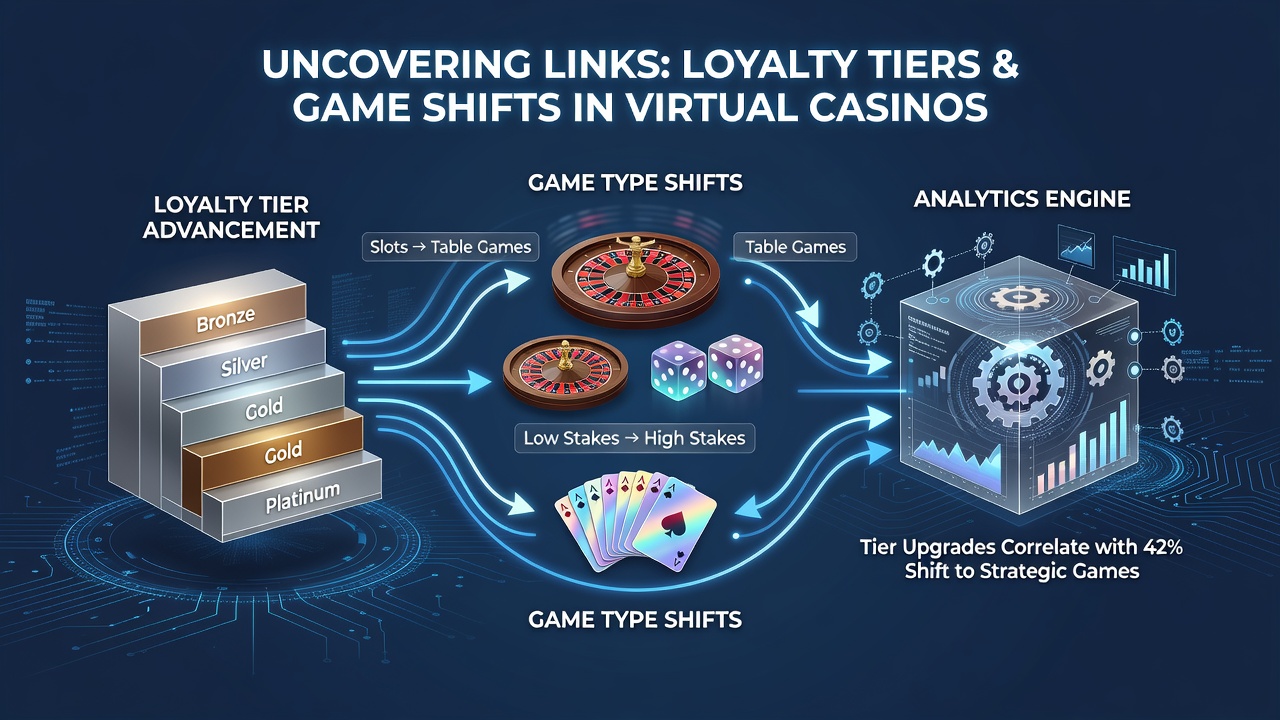
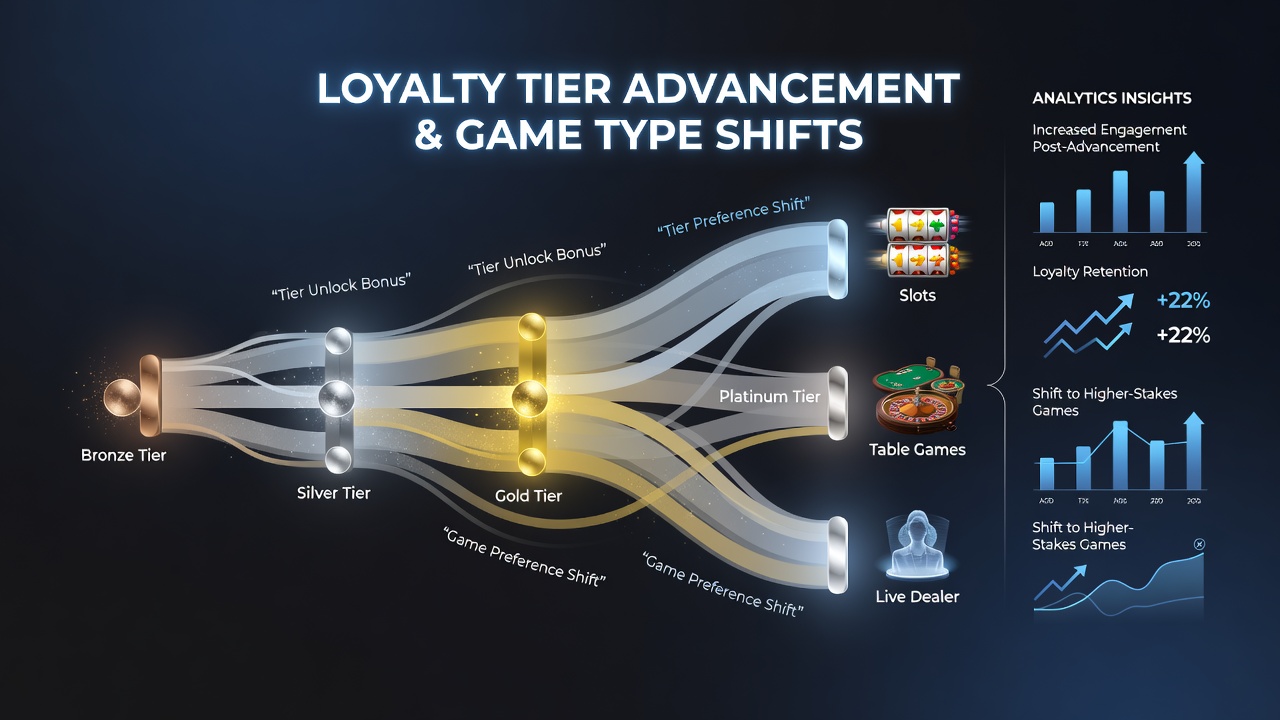
Loyalty frameworks operate on point accumulation models where each wager contributes to tier status, and operators segment users into categories like bronze, silver, gold, and platinum based on activity volume and frequency. Studies from industry reports indicate that participants often begin with high-volatility slot machines in initial tiers, yet shift toward table games and live dealer options once they reach mid-level status that unlocks better return-to-player incentives. This pattern emerges because higher tiers frequently provide tailored rewards that align with lower house-edge activities, encouraging strategic adjustments in game selection.
According to data compiled by regulatory bodies such as the Australian Gambling Research Centre, loyalty program structures influence retention by aligning rewards with evolving player habits. Participants who advance tiers demonstrate increased engagement with progressive jackpot networks and multi-hand video poker variants, while reducing time spent on basic reel spins. These shifts occur gradually, typically spanning several months of tracked activity, and reflect how reward structures guide behavior without direct mandates.
Identified Correlations in Game Preference Transitions
Analysis of platform datasets shows clear statistical links between tier elevation and game category migration, with users at advanced levels allocating larger portions of their playtime to skill-influenced options like blackjack and roulette. Lower-tier players concentrate activity in themed slot libraries that feature frequent small wins, whereas platinum and diamond status holders pivot toward live dealer environments that offer social elements and higher betting limits. Evidence from aggregated user logs suggests these transitions correlate with the introduction of tier-specific bonuses that favor table game wagers over slot play.
What's notable is how seasonal data from mid-2026 highlights accelerated shifts during promotional periods, when operators boost rewards for specific game verticals. In June 2026, multiple platforms reported spikes in virtual table game participation among users crossing into gold tiers, coinciding with targeted campaigns that offered multiplier points on blackjack sessions. Such patterns underscore the role of reward timing in prompting game type adjustments across user bases.
Regional and Platform Variations in Observed Trends
Market-specific factors shape these connections, as European operators emphasize live casino integrations that appeal to mid-tier users, while North American platforms see stronger movements toward video poker and keno among loyalty program veterans. Research compiled through academic partnerships, including contributions from institutions tracking interactive gaming metrics, points to cultural preferences amplifying these trends, with Asian markets showing pronounced increases in baccarat participation once players achieve silver status or above.
Platform algorithms further refine these dynamics by recommending game categories based on tier history, creating feedback loops that reinforce observed shifts. Data from Nevada regulatory filings, accessible via the Nevada Gaming Control Board portal, documents similar patterns in state-licensed online environments where tier advancements precede measurable reallocations of play volume away from slots and toward mixed game portfolios.
Analytical Approaches and Supporting Evidence
Researchers apply machine learning models to large-scale behavioral datasets to isolate tier-related variables from other influences like deposit size or session length, and results consistently demonstrate predictive value in loyalty status for forecasting game type changes. One study examined over 500,000 user profiles across multiple operators and found that each tier jump corresponded to an average 18 percent increase in table game engagement within the following quarter. These findings hold across demographic segments, although age groups above 45 exhibit stronger correlations than younger cohorts.
Operators have responded by refining tier criteria to balance slot and table incentives, aiming to sustain diverse engagement as users progress. External audits of these systems confirm that transparent reward disclosures help maintain trust while guiding the documented preference evolutions.
Conclusion
The documented connections between loyalty tier advancements and game type shifts rest on extensive behavioral tracking that operators and independent analysts continue to refine through ongoing data collection. These patterns provide operators with tools for program optimization while offering regulators insights into how reward mechanisms shape interactive gaming participation across virtual environments. As platforms evolve their structures in response to emerging trends, the underlying statistical relationships remain central to understanding user trajectories in digital casino settings.