
Cultural Festivities Directing Roulette Trends in Expanding Virtual Gambling Environments
Digital gambling platforms in emerging markets have recorded measurable shifts in roulette selections that align with major cultural festival calendars, according to aggregated operator data from 2025 through mid-2026. These patterns appear most clearly in regions where mobile access has expanded rapidly, including parts of Southeast Asia, Latin America, and Eastern Europe. Observers note that player activity spikes during specific celebrations often coincide with changes in bet types, color preferences, and session lengths on virtual tables.
Regional Calendar Alignments and Betting Data
Research from industry tracking firms shows that Chinese New Year periods produce consistent increases in red-number wagers across several Asian-facing platforms, while Latin American Carnival dates correlate with higher volumes on even-money outside bets. In August 2026, operators serving markets in Indonesia and Vietnam reported elevated participation in multi-number inside bets during local harvest festivals, with average session durations extending by 12 to 18 minutes compared to non-festival weeks. These figures come from anonymized transaction logs compiled by platform analytics teams rather than individual player surveys.
European operators monitoring cross-border traffic have observed parallel movements during Orthodox Christmas and Easter windows, where players from certain Eastern European countries demonstrate elevated selections of black-number sequences. Data indicates these preferences stabilize again within ten days after each festival concludes, returning to baseline distributions documented in preceding months.
Platform Adjustments and Interface Modifications
Developers have begun embedding calendar-aware features that adjust promotional banners and temporary table themes during peak festival dates. One major provider serving multiple Latin American jurisdictions introduced limited-time wheel overlays featuring regional motifs for Carnival 2026, resulting in documented upticks in table entries from mobile users in Brazil and Colombia. Similar adaptations appeared in Southeast Asian networks ahead of mid-year celebrations, where color filters on digital interfaces shifted toward traditional festival palettes for the duration of events.
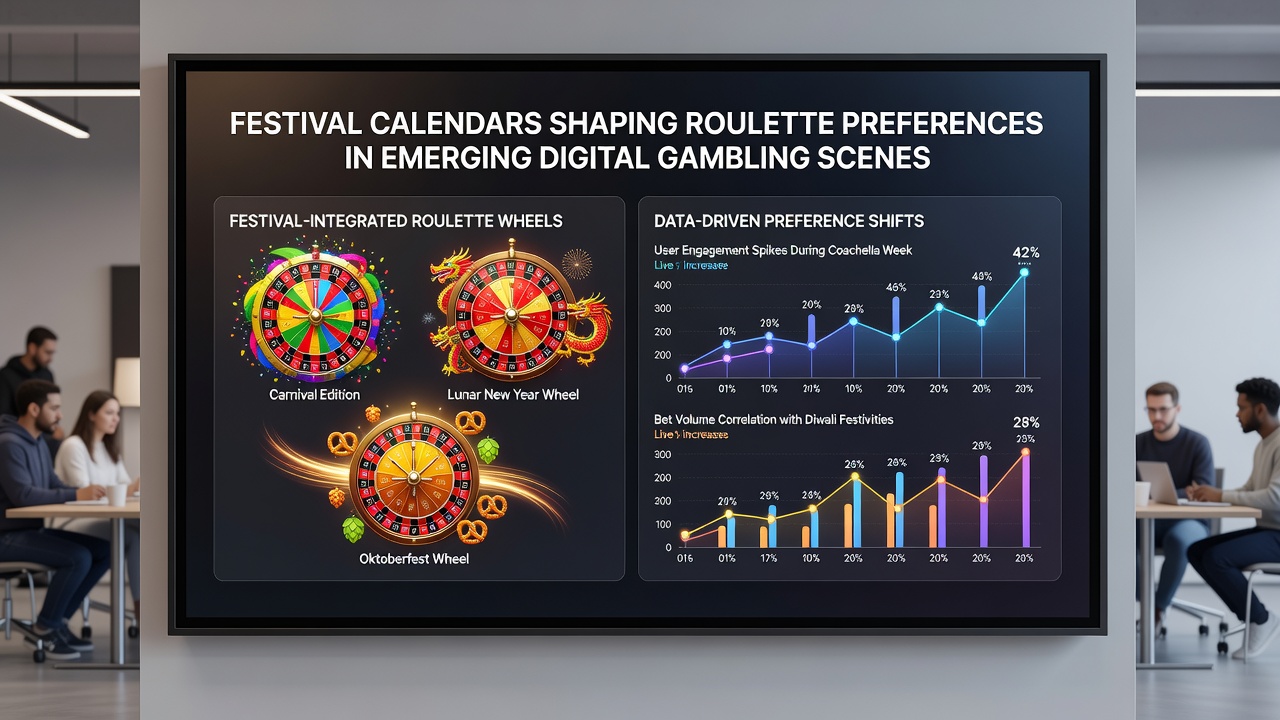
Payment processors operating in these markets have noted corresponding increases in deposit volumes timed to festival paydays and bonus cycles. Figures released by regional payment associations reveal that digital wallet inflows on gambling platforms rose between 22 and 31 percent during the first week of several 2026 cultural events compared with the prior month. These inflows supported longer roulette sessions, particularly among users accessing platforms through newer smartphone models prevalent in urban centers.
Market-Specific Patterns Across Emerging Scenes
Analysts tracking Vietnamese and Thai platforms identified stronger correlations between Songkran water festival dates and selections of column bets, whereas Malaysian operators recorded elevated corner-bet activity during Hari Raya periods. In South American corridors, Brazilian Carnival weeks produced measurable growth in red-and-black combination wagers, while Argentine platforms saw steadier outside-bet volumes around Independence Day observances. Cross-market comparisons compiled by academic researchers at institutions in the region suggest that these localized spikes reflect broader cultural associations with luck and celebration rather than random variance.
Regulatory filings from licensing bodies in several jurisdictions have begun requiring operators to document festival-related traffic patterns as part of compliance reporting. Such requirements aim to separate seasonal fluctuations from other variables such as bonus promotions or new game releases. Reports submitted in early 2026 indicated that roulette remains one of the more responsive game categories to calendar events, showing clearer deviations than slots or table games with fixed payout structures.
Emerging Data Sources and Industry Tracking
Studies conducted by the Asia Pacific Association of Gaming Regulators have tracked these festival-linked movements across multiple licensed platforms, noting that mobile interfaces allow for more granular capture of timing data than earlier desktop systems. Similar monitoring efforts by Latin American trade groups have produced comparable datasets, confirming that roulette preference shifts tend to precede actual festival dates by two to four days and then taper gradually afterward.
University-led research projects in Singapore and Mexico have started incorporating anonymized platform data into longitudinal analyses of player behavior, with preliminary findings presented at industry conferences in 2025. These projects emphasize the value of combining calendar metadata with transaction records to isolate cultural influences from marketing variables.
Conclusion
Available evidence demonstrates that festival calendars exert measurable influence on roulette preferences within emerging digital gambling environments, with shifts appearing in bet selection, session timing, and deposit patterns across multiple regions. As mobile penetration continues to expand, operators and regulators alike have increased their focus on calendar-based analytics to better understand seasonal dynamics in player activity. Continued collection of transaction-level data through 2026 and beyond will likely refine current observations and clarify the extent to which these patterns persist across different market maturation stages.