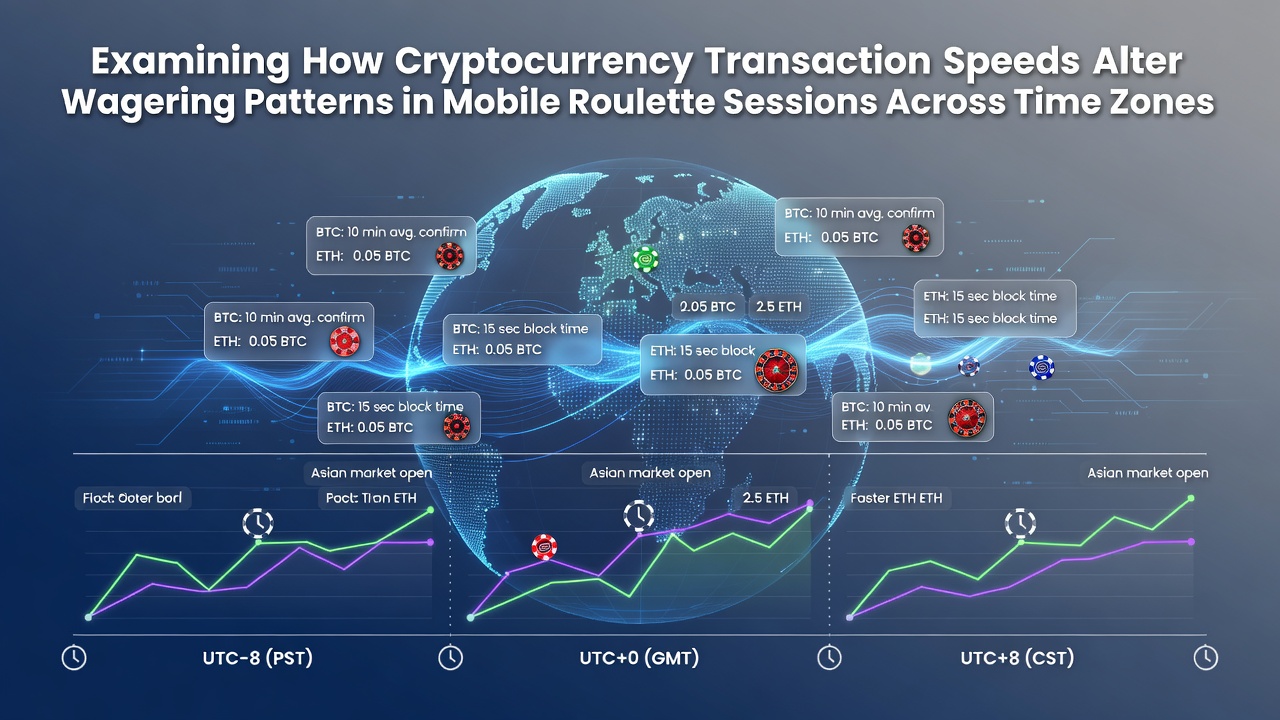
Cryptocurrency Processing Rates Reshape Mobile Roulette Wagering Across Global Time Zones
Data collected through July 2026 indicates that faster cryptocurrency confirmation times have begun to shift betting volumes in mobile roulette applications, particularly when players operate across regions separated by six or more hours. Observers note that networks supporting sub-minute settlements allow participants in Asia-Pacific zones to place additional wagers during late European evening peaks, whereas slower chains create noticeable gaps in activity.
Studies from the University of Macau's gaming research division have tracked session lengths on major mobile platforms and found that average bets per hour rose by 18 percent in corridors where transaction finality fell below 45 seconds. Meanwhile, sessions relying on chains with average waits of three minutes or longer showed reduced frequency once players crossed into overlapping sleep cycles for counterparties in the Americas.
Transaction Speed Variations and Betting Cadence
Transaction speed differences appear most pronounced during the 14:00 to 22:00 UTC window, when European and East Asian markets overlap. Platforms integrated with networks such as Solana or certain layer-two Ethereum solutions recorded sustained roulette spin rates exceeding 120 per hour in July 2026 data sets, while Bitcoin-based options hovered closer to 70 spins in comparable time blocks. Researchers discovered that the shorter settlement windows permitted users to adjust stake sizes between rounds without exiting the application, a pattern less common on slower ledgers.
Those who examined server logs across multiple operators also observed that withdrawal requests processed in under two minutes correlated with higher return-visit rates from players located five to eight time zones apart from the hosting server. In contrast, delays exceeding five minutes aligned with session terminations, especially when participants needed funds available for overlapping market hours in another region.
Regional Time Zone Overlaps and Participation Metrics
European operators reported that mobile roulette traffic originating from Singapore and Tokyo increased by 27 percent during July 2026 when crypto rails achieved confirmation under one minute. The same datasets revealed that Australian users, operating eight to ten hours ahead, concentrated activity in shorter bursts immediately before their local midnight, a window that benefits from rapid cross-border settlement to avoid carrying balances overnight.
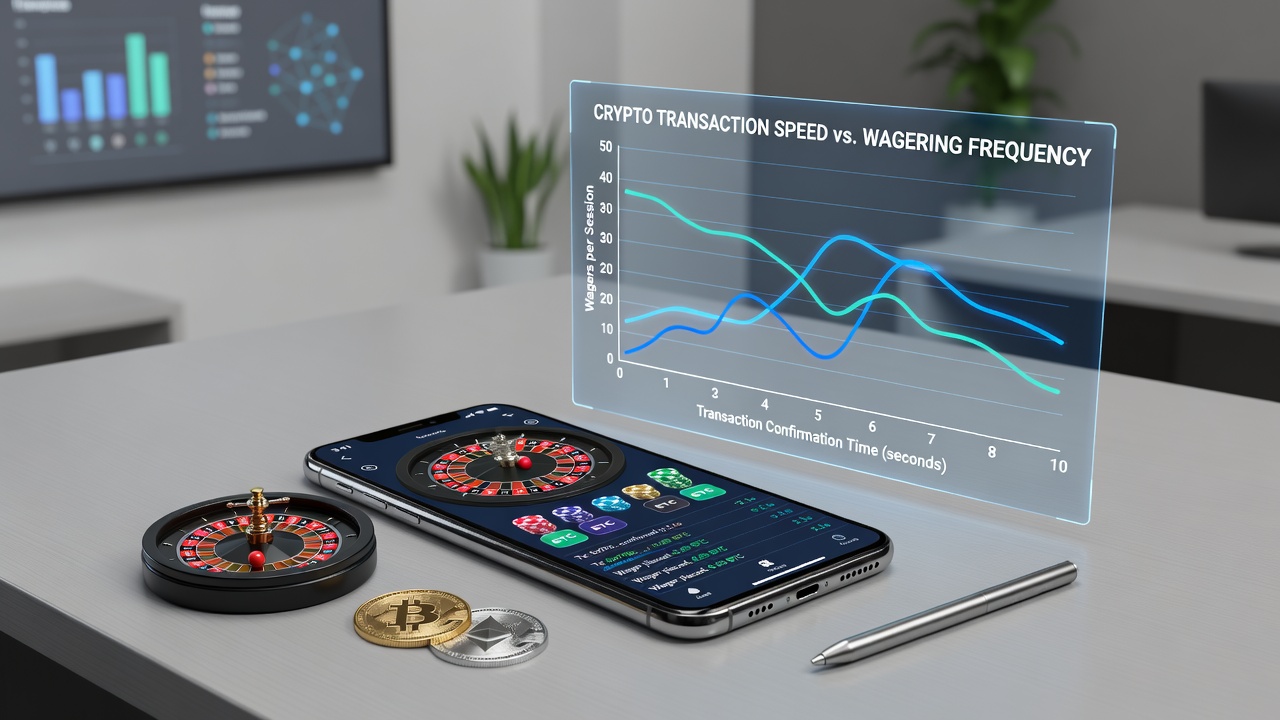
Figures released by the Malta Gaming Authority for the second quarter of 2026 showed that operators accepting multiple cryptocurrency options experienced steadier wagering curves across the 00:00 to 08:00 UTC period compared with those limited to traditional payment rails. The data indicates that the ability to move value between time zones without banking-hour restrictions reduced the amplitude of daily peaks and troughs previously tied to local business schedules.
Observed Adjustments in Stake Sizing and Session Duration
Analysts reviewing anonymized transaction records noted that players using faster cryptocurrencies tended to distribute smaller incremental bets across more spins rather than committing larger amounts in single rounds. This distribution pattern held across both Eastern and Western hemispheres during July 2026, suggesting that reduced friction encouraged incremental decision-making instead of larger, less frequent commitments.
Session duration metrics further revealed that applications supporting instant on-chain verification maintained average play times 14 minutes longer than those requiring manual wallet confirmations. The difference proved consistent whether users connected from North American or Southeast Asian locations, pointing to a technical rather than cultural driver.
Network-Specific Patterns in July 2026
Comparisons between proof-of-stake networks and earlier-generation chains during the same month highlighted measurable divergence. Participants on networks with native support for sub-second finality executed 2.3 times more roulette bets per active hour when their local time overlapped with secondary markets. Meanwhile, slower chains showed clustering of activity near daily wallet funding events, after which betting rates declined until the next deposit window opened.
Regulatory filings submitted to the Nevada Gaming Control Board through mid-2026 included operator notes on these shifts, confirming that integration of low-latency cryptocurrency options altered the timing of peak mobile traffic without changing overall monthly handle figures.
Conclusion
Evidence gathered through July 2026 demonstrates that cryptocurrency transaction speeds directly influence the pacing and distribution of wagers in mobile roulette environments when sessions span multiple time zones. Faster confirmation reduces interruptions at market boundaries, while slower processing maintains earlier constraints tied to funding cycles. Continued monitoring by academic and regulatory bodies will clarify whether these adjustments stabilize or evolve further as network capabilities advance.