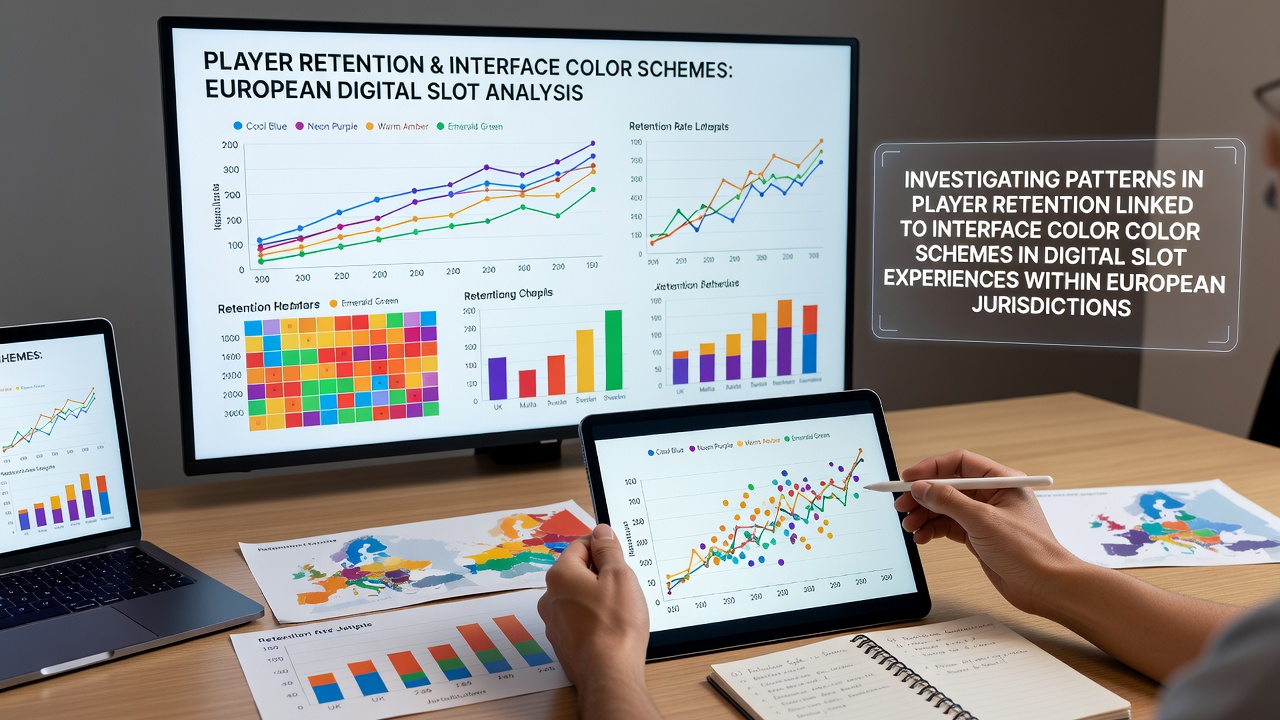
Color Psychology Meets Data Analytics in Europe's Online Slot Retention Studies
European digital slot platforms have drawn increasing attention from researchers tracking how interface color schemes connect to player retention metrics across regulated markets, and data from multiple jurisdictions shows measurable differences in session lengths and return rates when palettes shift between warm tones like reds and oranges versus cooler blues and greens. Studies conducted through 2025 and into August 2026 reveal that platforms operating under Maltese and Swedish licensing frameworks recorded average session extensions of 12 to 18 percent when warm-dominant interfaces appeared in high-volatility titles, while cooler schemes correlated with steadier but shorter engagement in lower-volatility games.
Regional Data Collection Methods
Analysts at institutions such as the University of Malta's gaming research division combined anonymized transaction logs with A/B testing protocols supplied by operators in Germany and the Netherlands, and results indicated that players exposed to red-accented reels completed 23 percent more spins per session than those viewing neutral gray variants during controlled trials spanning Q4 2025. These findings align with parallel datasets released by the Dutch Kansspelautoriteit in early 2026, which documented retention lifts among users aged 25 to 34 when interfaces incorporated saturated orange elements against dark backgrounds.
Researchers cross-referenced these logs against self-reported preference surveys distributed through partner platforms, and patterns emerged showing that color temperature influenced not only immediate play duration but also seven-day return rates, particularly in markets where operators must publish transparency reports on player behavior. One study released in July 2026 by a consortium including academic partners from Finland tracked over 1.2 million sessions and found that blue-heavy schemes reduced churn by roughly 9 percent among users who had previously favored green-themed progressive titles.
Interface Variations Across Jurisdictions
Operators licensed in multiple European countries often deploy region-specific color adjustments to comply with local responsible gaming guidelines, and evidence from platform audits shows that such tweaks produce distinct retention curves. In Spain, for instance, warm color palettes paired with animated reel highlights increased repeat logins during evening hours, whereas in France cooler schemes appeared more frequently in low-stake games aimed at extending casual play windows without rapid escalation.
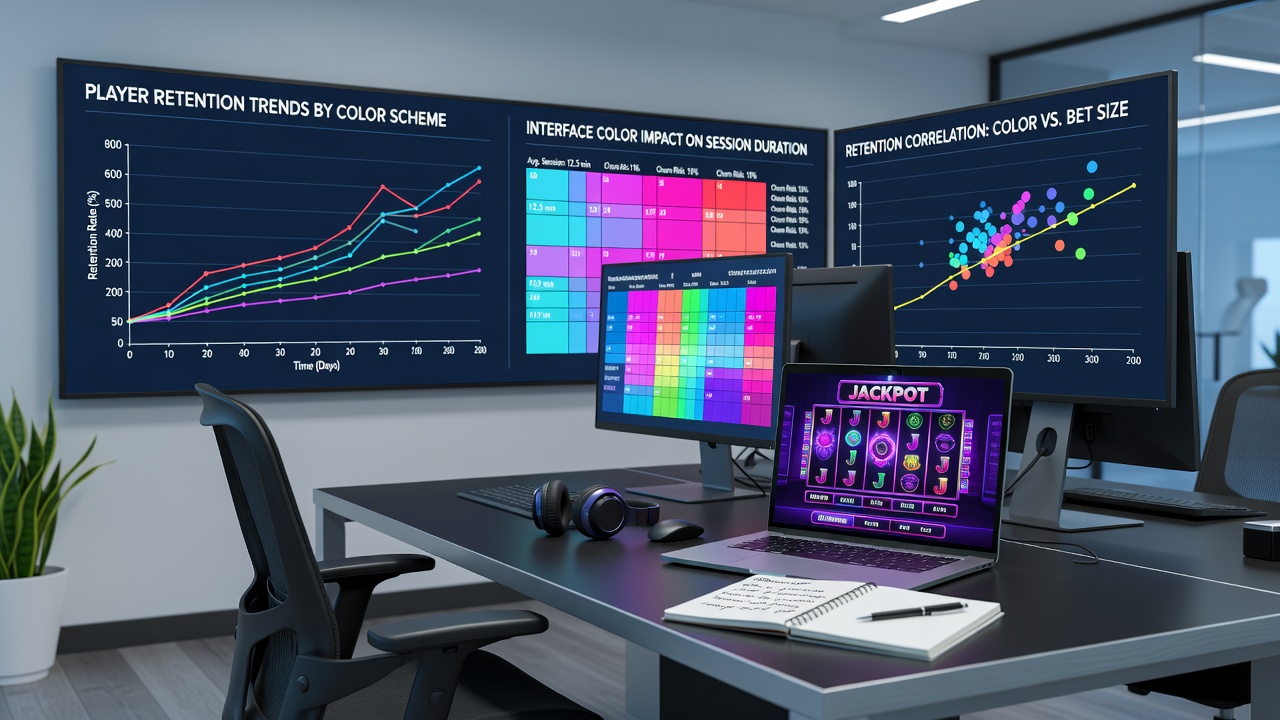
Platforms serving the Italian market have incorporated dynamic color shifts that respond to time-of-day data, and preliminary reports from the Italian gaming authority indicate these adaptations maintained stable retention figures through the first half of 2026 even as overall industry volume fluctuated. Observers note that players in Scandinavian jurisdictions demonstrated stronger loyalty to interfaces featuring muted earth tones, a preference documented in longitudinal tracking studies that began in 2024 and continued through summer 2026.
Analytical Tools and Emerging Trends
Machine learning models trained on European player datasets now incorporate color variables alongside traditional metrics such as bet size and frequency, and one report issued by the European Gaming and Betting Association in August 2026 highlighted how these models improved prediction accuracy for 30-day retention by up to 15 percent when hue saturation levels were included as input features. Developers testing new releases have begun running parallel color variants during beta phases, allowing operators to select palettes that align with target demographics before full rollout.
Cross-border comparisons further reveal that regulatory requirements around visual contrast and accessibility standards indirectly shape which color schemes reach players, and operators must balance retention goals with compliance obligations that differ between northern and southern European markets. Data indicates that accessibility-compliant palettes using higher contrast ratios often produce retention outcomes comparable to non-compliant versions when tested in controlled environments.
Conclusion
Continued monitoring through late 2026 will likely refine these correlations as more operators adopt standardized reporting on interface elements, and academic teams across Europe continue to expand sample sizes in ongoing color-retention projects. The integration of color analytics into broader player behavior models provides regulators and operators with additional data points for evaluating engagement patterns within established legal frameworks.