Blockchain Integration Strategies in Digital Casino Payments and Their Impact on Transaction Velocities Across Global Markets
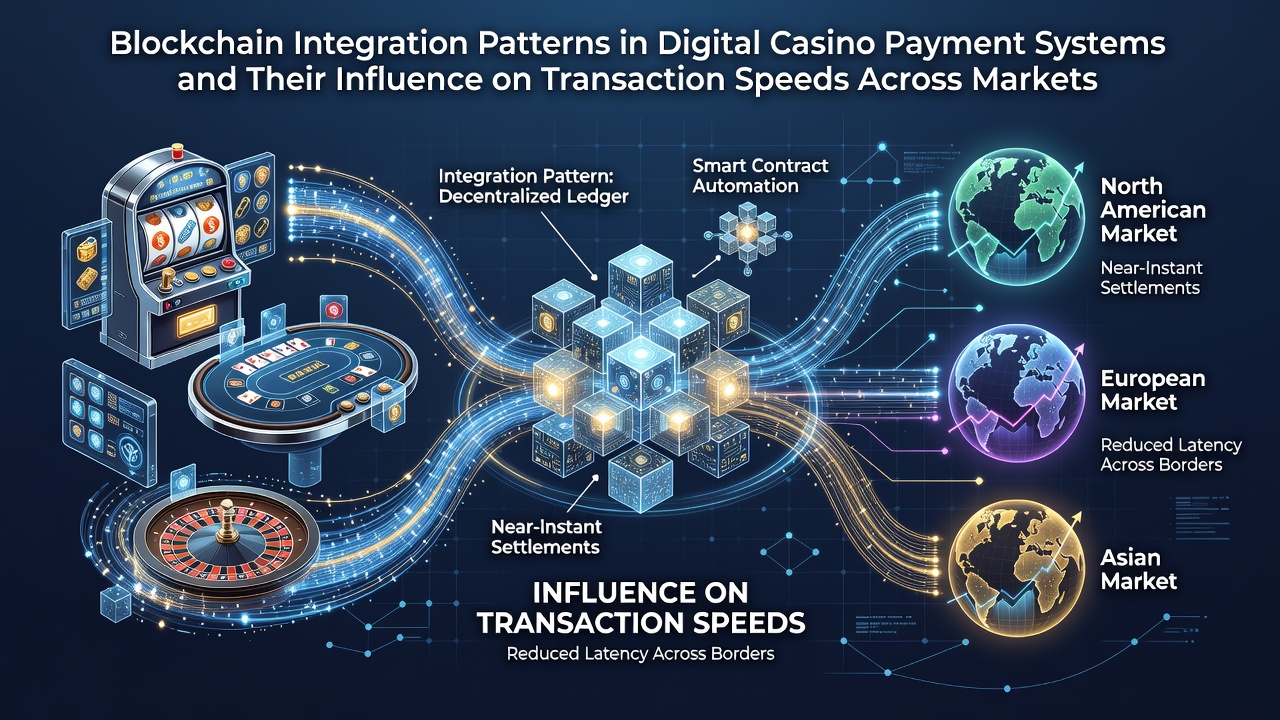
Blockchain technology has entered digital casino payment systems through several distinct integration patterns that alter how transactions move between players, operators, and financial networks, and observers note these approaches produce measurable differences in processing times depending on the market. Researchers have identified patterns such as direct layer-one settlements on public chains, layer-two scaling solutions layered atop base protocols, and hybrid models that combine on-chain verification with off-chain processing channels, while data from August 2026 shows these choices correlate with speed variations reported across North American, Asian, and European jurisdictions.
Operators in mature markets often adopt permissioned blockchain variants that restrict validator nodes to licensed entities, and this setup reduces consensus overhead compared with fully public networks, which allows transaction confirmation to occur in under two seconds in many documented cases. Studies conducted by academic teams at institutions focused on distributed ledger applications reveal that sidechain architectures, where casino-specific tokens move independently before periodic anchoring to a main chain, deliver consistent throughput improvements in high-volume Asian markets where mobile-first players expect near-instant deposits and withdrawals.
Core Patterns Observed in Current Deployments
Three primary patterns dominate current implementations according to industry reports compiled through mid-2026, and each pattern carries different implications for latency. The first involves direct integration with established public networks such as those supporting stablecoin transfers, yet operators frequently add batching mechanisms that group multiple player actions into single on-chain events to control fees and maintain speed. The second pattern relies on state-channel or payment-channel constructions that keep routine activity off the main ledger until final settlement, and regulators in several Canadian provinces have documented how these channels compress average confirmation windows from minutes to milliseconds during peak evening hours.
A third pattern uses enterprise-grade distributed ledger technology operated by consortiums of gaming companies and payment processors, and this approach has gained traction in parts of the United States where state-level oversight requires audit trails without exposing full transaction histories on public explorers. Figures released by the New Jersey Division of Gaming Enforcement indicate that consortium models reduced average withdrawal processing times by 47 percent between January and August 2026 when compared with legacy banking rails still used by some operators.
Regional Speed Variations Documented in 2026
Transaction speed data collected across markets shows clear geographic clustering tied to both regulatory posture and infrastructure maturity, and analysts at research organizations tracking digital payments note that jurisdictions with clear licensing pathways for blockchain-based settlement achieve faster average times. In Singapore and Macau-linked digital platforms, layer-two solutions have produced median confirmation intervals below one second for deposits under a fixed threshold, whereas certain European markets without dedicated crypto regulations still route through traditional banking partners and record median times exceeding thirty seconds during high-traffic periods.
North American operators experimenting with hybrid models report intermediate results, and one multi-state study found that combining on-chain proofs with off-chain netting cut cross-border payout delays by roughly two-thirds compared with earlier wire-based systems. Observers tracking these deployments point out that mobile network latency rather than blockchain consensus now constitutes the primary remaining bottleneck in several emerging Asian markets where 5G rollout continues to expand coverage.
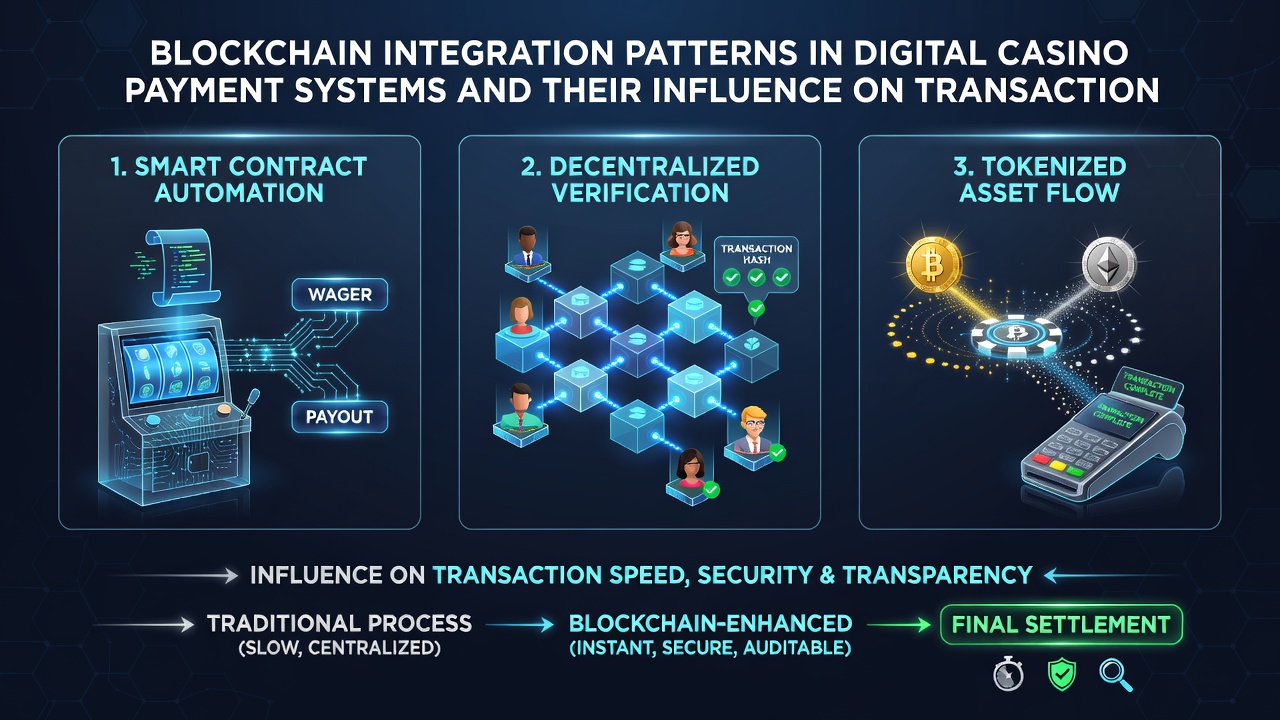
Payment processors that publish monthly latency dashboards have begun segmenting results by integration type, and the August 2026 editions show layer-two deployments maintaining sub-second medians across 92 percent of sessions while direct layer-one usage without batching occasionally spikes above eight seconds during network congestion events. Those who've examined the raw logs note that volatility in public-chain gas prices can indirectly affect casino transaction queues when operators delay broadcasts to control costs.
Influence of Regulatory Frameworks on Pattern Selection
Regulatory clarity appears to steer operators toward particular patterns, and agencies in Australia and several Canadian provinces have issued guidance that explicitly addresses settlement finality for blockchain transactions, which encourages adoption of state-channel approaches that meet local audit requirements while preserving speed. In contrast, markets still developing frameworks tend to see slower experimentation with public chains, and operators there default to permissioned variants that trade some decentralization for predictable performance metrics.
Industry associations representing gaming technology providers have compiled comparative tables that list average confirmation times by pattern and jurisdiction, and these tables indicate that markets permitting stablecoin settlements on approved networks record the narrowest interquartile ranges for withdrawal speeds. Data compiled through August 2026 further reveals that operators using multiple patterns in parallel can route transactions dynamically based on real-time network conditions, which produces the most stable overall performance across fluctuating player volumes.
Conclusion
Blockchain integration patterns in digital casino payment systems continue to evolve in response to both technological advances and regulatory developments, and the speed outcomes observed across markets reflect the specific architectural choices made by operators. Evidence collected through August 2026 demonstrates that layer-two and hybrid models generally deliver faster and more consistent transaction velocities than direct public-chain usage, while regional differences persist according to infrastructure readiness and licensing frameworks. Ongoing monitoring by research institutions and regulatory bodies will likely refine these patterns further as new scaling solutions and oversight mechanisms emerge.