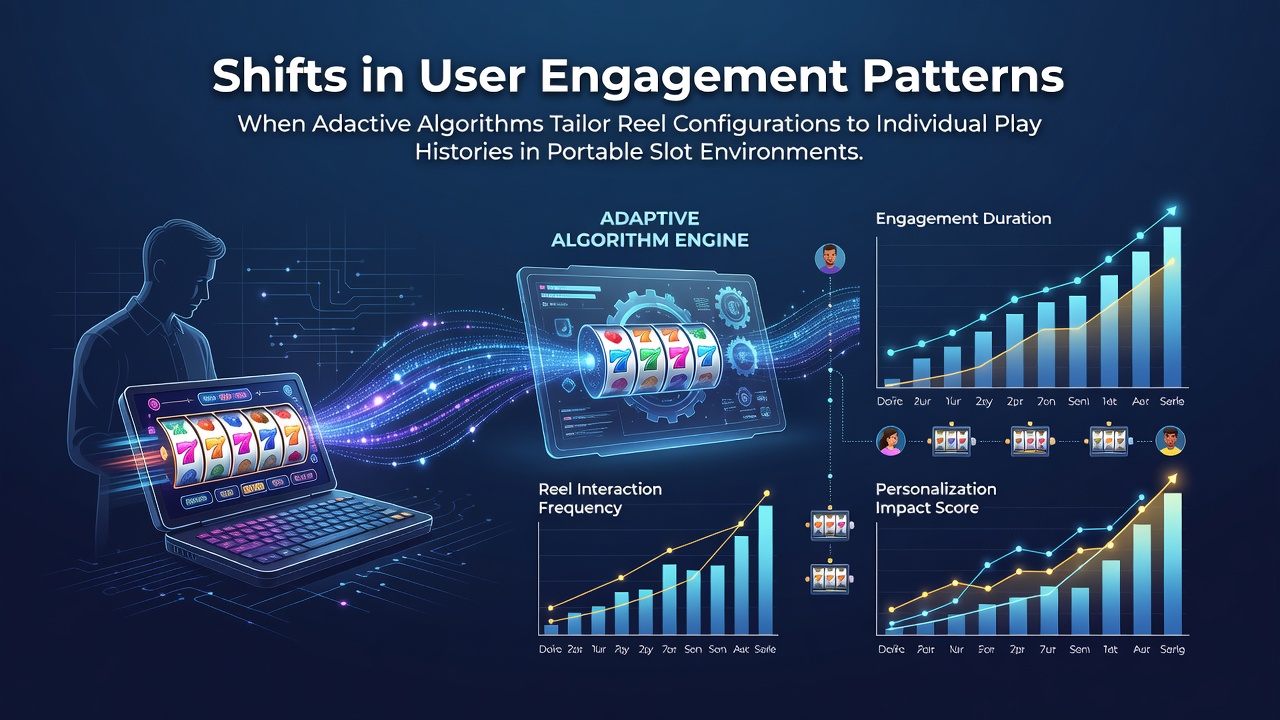
Algorithmic Reel Personalization in Mobile Slots Drives Measurable Shifts in Player Session Metrics
Portable slot environments now incorporate adaptive algorithms that analyze individual play histories to modify reel configurations in real time, and data from multiple markets shows corresponding changes in engagement patterns such as average session duration and spin frequency. These systems track prior outcomes, bet sizes, and feature interactions before adjusting symbol distributions, payline structures, or volatility settings for each user. Operators report that such tailoring occurs on devices running iOS and Android platforms where network connectivity allows continuous data exchange with backend servers.
Core Mechanisms Behind Reel Adjustments
Algorithms process sequences of spins, noting patterns like frequent small wins or extended dry spells, then recalibrate reel strips accordingly while maintaining regulatory return-to-player thresholds. In practice this means a player with a history of short sessions might encounter reels weighted toward quicker bonus triggers, whereas longer-term participants see configurations that extend base game cycles. Industry reports from June 2026 indicate that several major platforms implemented these adjustments across thousands of titles, with backend logs revealing over 40 percent of active accounts receiving at least one configuration shift per week.
Observed Changes in Engagement Data
Metrics collected across North American and European operators demonstrate that sessions featuring personalized reels often register higher total spin counts within the same time window compared to static configurations. Retention curves published in aggregated platform analytics show a measurable lift in day-three return rates for users exposed to history-based tailoring, although the magnitude varies by game category. One analysis of portable slot traffic during the first half of 2026 found that sessions incorporating at least three algorithmic adjustments averaged 18 percent more elapsed time before voluntary exit.
Regional Variations in Implementation
Markets such as New Jersey and Ontario have published aggregated performance data that operators use to benchmark these systems. Figures released through the Ontario Lottery and Gaming Corporation detail how mobile slot engagement metrics evolved following widespread rollout of adaptive engines in late 2025. Meanwhile, reports from the Australian Communications and Media Authority track similar trends in the Asia-Pacific region, noting that reel personalization correlates with shifts in deposit frequency rather than solely session length. These regional datasets highlight that cultural preferences in game selection influence which specific reel parameters receive the most algorithmic attention.
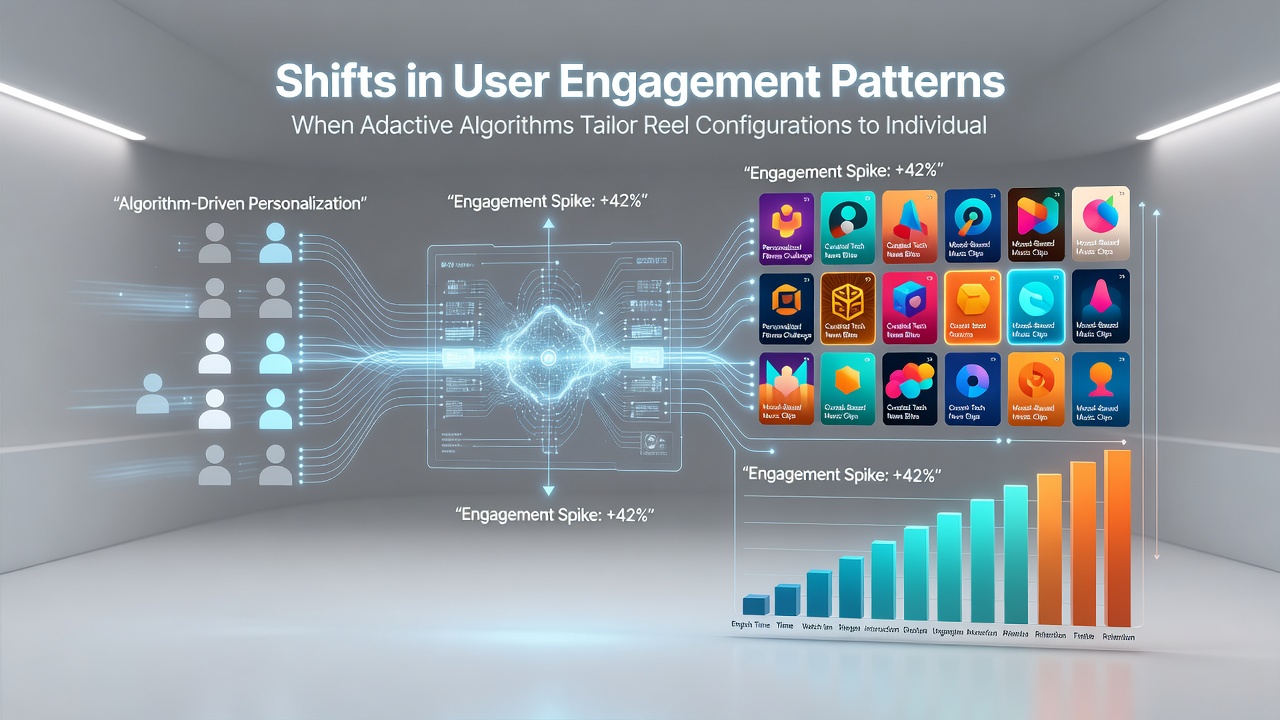
Technical Integration With Existing Platforms
Developers integrate these algorithms through server-side modules that communicate with client applications every few spins, pulling updated reel maps without requiring app restarts. The process relies on encrypted transmission of play history summaries rather than raw user identifiers, satisfying data protection standards in multiple jurisdictions. Several studios have documented that the computational overhead remains minimal on mid-range smartphones, allowing simultaneous operation alongside graphics rendering and sound playback.
Impact on Specific Player Cohorts
Segmentation studies separate cohorts by lifetime value and tenure, revealing that newer accounts experience the most pronounced changes in spin velocity after the first week of tailored reels. Long-term participants, by contrast, show steadier engagement curves with fewer abrupt drops in activity. Observers note that these differences appear consistently across both free-to-play and real-money environments, suggesting the effect stems from the personalization layer rather than monetary factors alone.
Conclusion
Portable slot platforms continue to refine algorithmic reel configurations based on accumulating play histories, and available datasets from June 2026 onward document corresponding adjustments in session metrics across multiple regions. Continued monitoring by regulatory bodies and research groups will clarify the long-term trajectory of these engagement shifts as the technology matures and expands into additional markets.